Some of the UK’s most prevalent trees and even uncommon varieties are becoming increasingly susceptible to disease, thanks to globalisation, changing climates and poor tree care. From fungal infections and bacterial problems to pest-related decline, we see it all here at DH Tree Services.
Professional tree surgery plays a vital role in restoring tree health by managing symptoms and preventing further spread. With the right intervention, many trees can thrive once again.
Can you save a tree from disease?
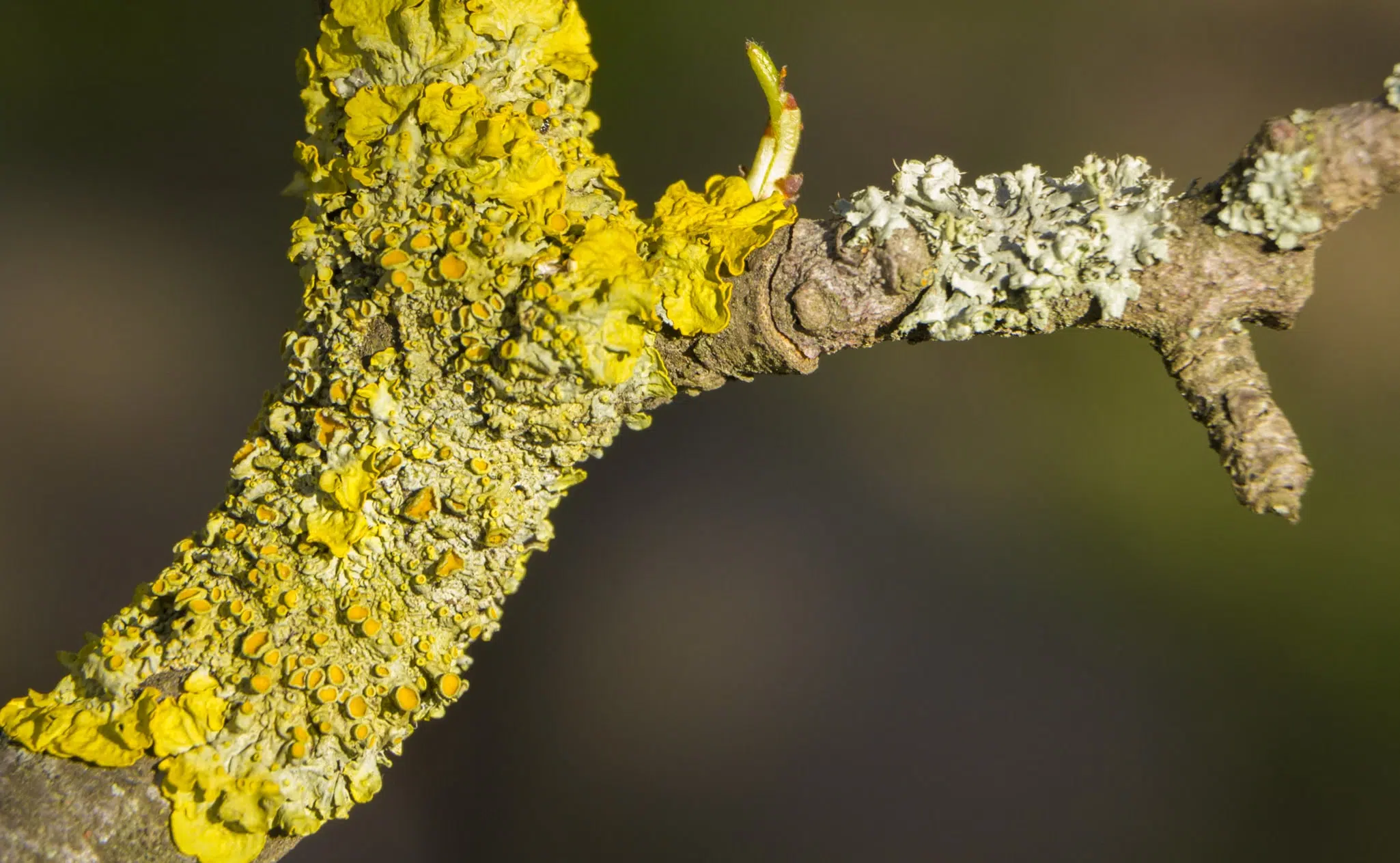
Many diseased trees can be saved if the issue is identified early and treated correctly. Never ignore the signs of tree disease, such as discoloured leaves, dieback, unusual growths and bark abnormalities. Professional tree surgeons can diagnose the problem, assess the severity and recommend targeted treatments.
Saving a tree often involves a mix of pruning, improving airflow, good soil care and removing the infected material. Even when a disease cannot be fully cured, skilled tree surgery can slow its progression and extend the life of the tree.
How to cure diseased trees?
There’s no single cure for all tree diseases, but different professional tree care techniques can greatly improve outcomes. For example, targeted pruning can remove infected branches and stop pathogens from spreading. Crown thinning or crown reduction also improve airflow and sunlight penetration, helping a tree dry out more effectively to resist the infection.
We also recommended soil improvement methods, such as mulching or aeration, to support healthier root systems. Fungicide or pest treatments should only be applied where appropriate and legally permitted.
Deadwood removal can also prevent the disease from harbouring in decaying timber.
What are the benefits of crown thinning?
Crown thinning is one of the most effective tree surgery methods for tackling disease. By selectively removing branches within the canopy, crown thinning improves light exposure and airflow, decreases humidity where fungal infections thrive, and reduces wind resistance and structural stress.
This popular practice also encourages new, healthy growth when applied correctly by a professional arborist. A well-thinned crown helps the tree recover more efficiently and strengthens its resilience against future infections.
Can you treat tree wounds?
Tree wounds caused by storms, pests, wildlife or improper pruning can often be managed if you get the tree assessed by a professional. While trees do not need sealing agents, they do require clean, precise cuts made by someone who knows what they are doing.
Removing torn or jagged wood allows the tree to compartmentalise the wound more effectively to heal. Proper wound management reduces the chances of secondary infections and decay entering the trunk.
Looking for professional tree disease solutions? Contact our experts
If you need an urgent tree assessment or advice about caring for diseased trees, speak to our team. At DH Tree Services, we manage the spread of tree disease in London and Surrey locations, such as Effingham and Virginia Water.
Get in touch by calling 07872 615 504. Alternatively, please send your tree disease enquiry to [email protected].