Preserving the health and longevity of your trees is a vital part of garden and grounds maintenance, protecting our plants and environment. An essential tree care task is the removal of deadwood, enhancing the aesthetic appeal of trees while keeping them healthy.
But what is deadwood, and can it have a negative impact on tree health? We find out.
What is deadwood?
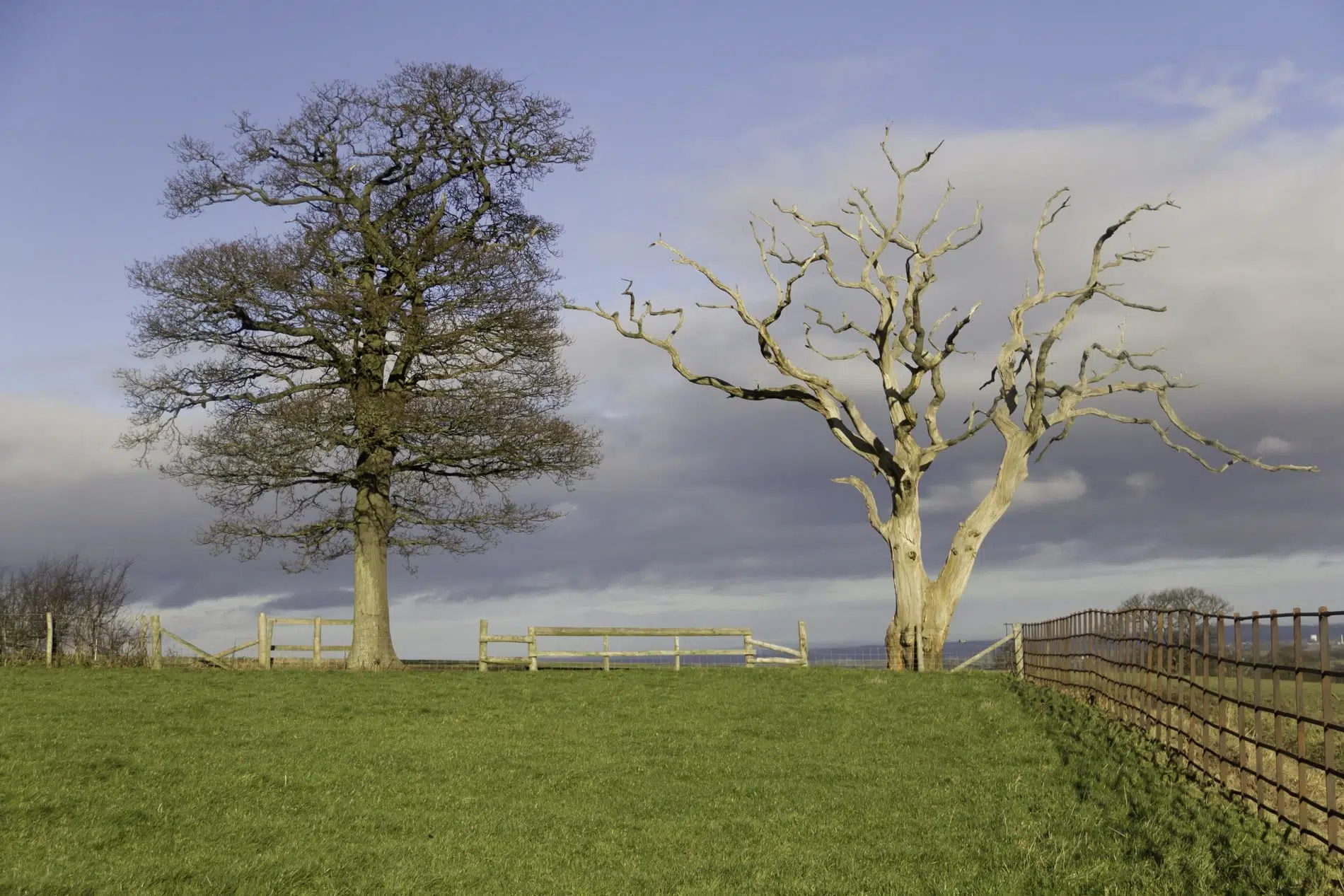
The process of removing deadwood from trees refers to the cutting away of any branches or parts that have died. Causes of deadwood can vary, whether it’s tree disease, pest infestations or physical damage.
A professional will identify which branches need deadwooding, as some may lose their leaves, become brittle or develop a grey or brownish colour when they die. It’s always best to ask a tree surgeon to do this for you so that you don’t remove healthy tree branches that are dormant rather than dead.
Is deadwood bad for trees?
Unfortunately, deadwood can be detrimental to both the health and safety of your trees, so it shouldn’t be ignored. Dead branches can become dangerous hazards if left alone, as they’re prone to breakage and can fall unexpectedly, posing a significant safety risk to others and nearby properties.
Deadwood may also offer an ideal habitat for fungi, bacteria and insects, which will further harm the tree and spread diseases, potentially compromising the tree’s overall health.
Another reason to put deadwooding high on the priority list is its effect on the visual appeal of your trees, garden and surrounding landscape. Removing these branches can help encourage new growth and keep your outdoor spaces looking fresh and healthy.
Should you remove dead branches from your trees?
Regular deadwood removal is essential for maintaining the health, safety and beauty of your trees. It can stop tree disease from spreading, reduce the risks of accidents occurring (e.g., dead branches falling) and may even save dying trees.
After the dead branches are cut away, it allows the tree to allocate its nutrients and resources more effectively to the healthy parts of the plant, giving the structure a shot of vitality. This encourages new growth and shoots to help create a thriving crown.
How do you clear deadwood?
Cutting deadwood from a tree requires careful planning and execution to ensure the safety of both the structure and person performing the task. That’s why hiring a qualified arborist or tree surgeon is best. They’ll begin by inspecting the tree to identify deadwood, looking for signs of discolouration and decay.
Your tree surgeon will use professional tools and safety equipment for the job, including hand pruners and saws, depending on the size of the dead branches. They’ll make clean, precise cuts just outside the branch collar (where it meets the trunk) to minimise the risk of damaging the tree’s healthy tissue while promoting fast recovery.
All the removed deadwood will then be safely collected and disposed of, and you can even use it as mulch or firewood.
Contact DH Tree Services for a free deadwooding quote
Do you need deadwood removal services? Speak to DH Tree Services for a free quote. We operate throughout SW London and Surrey, including Walton on the Hill and Warlingham.
For more advice, please contact us.